Blog
Which Timbers Are Inspected in a Damp and Timber Survey?
Why the property matters
A timber inspection is shaped by the building in front of you. Two homes with similar signs of damp can have very different timber layouts, access points and areas of uncertainty. The useful question is not only which components may be checked, but what their position and condition can tell you about the moisture problem.
In a Damp and Timber Survey, we consider the timber alongside the building’s construction and damp history. That context matters because decay is not diagnosed from a single mark or reading. Its location, the material around it and the likely route of moisture all help explain what may be happening.
Floors: suspended or solid construction
A raised wooden floor has supporting beams and floorboards, with an open space beneath. If the void can be accessed safely, the joists and the underside of the floor may provide clues that are not visible from the room. The condition of accessible timbers can be considered alongside signs such as a floor that feels uneven or has a musty odour. Neither sign alone proves decay, but both can make the construction beneath the floor relevant to investigate.
Access is the deciding factor. A hatch may be present but too small, obstructed or poorly positioned to give a clear view of the full floor structure. Where there is no suitable access, lifting boards is not automatically the right next step. It can disturb finishes and should be considered in light of the suspected problem and the access available. Do not enter a cramped or enclosed void yourself. A survey can only assess what is safely reachable, so ask which parts of the floor were visible and where the limits were.
A solid floor has a different relationship with timber. There may be no suspended floor void to inspect, while skirting boards, door frames or other timber at the edges of the room may still be relevant. The building’s layout and the position of visible damp help determine which timber elements can add useful evidence.
Roofs, openings and internal alterations
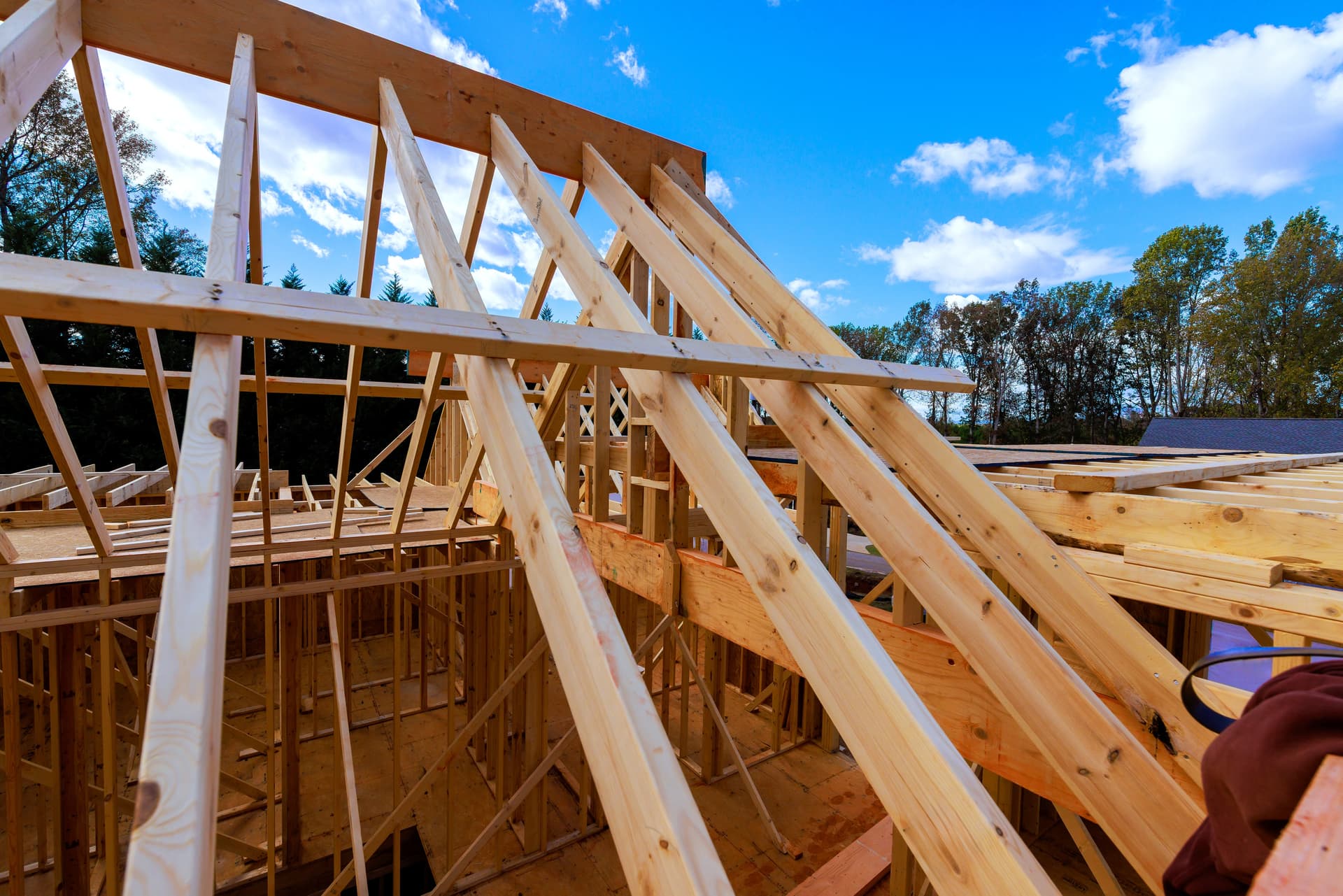
Roof timbers can help investigate a different pattern of moisture from joists near ground level. Their usefulness depends on whether the roof space is accessible and whether the relevant areas can be seen safely. A loft hatch does not necessarily provide a view of every part of the roof structure. Stored belongings, insulation and the shape of the roof can restrict visibility.
Timber around windows and doors also needs to be read in context. A damaged-looking frame or board could relate to moisture around that opening, but the visible surface does not by itself establish the source or extent of any deterioration. The position of the timber, nearby finishes and signs of water entry all matter when considering what further investigation may be appropriate.
Alterations can change what is visible. New wall coverings, fitted units or later finishes may cover older materials or block access to places where wood meets brick or stone. This does not mean there is a problem behind them. It means an inspection should distinguish between what has been assessed and what remains concealed, rather than treating an unseen area as confirmed sound or damaged.
Why damp findings and timber findings belong together
Moisture and timber condition are connected, but the relationship is not always obvious from a room’s surface. A damp patch near a timber component may be a useful lead, not a complete diagnosis. The location of moisture, the type of construction and any signs of deterioration need to be considered together before deciding what the findings mean.
This is particularly important when the property has a history of leaks, previous damp work or changes to its internal finishes. Those details can affect which parts of the structure are accessible and how observations should be interpreted. For a broader outline of the service, read our Damp and Timber Survey page.
What to clarify about the inspection
Before relying on a survey’s findings, make sure you understand the scope in relation to your property. Ask which timber elements were accessible, whether any area could not be inspected and what prevented access. If a section of the floor, roof or a concealed junction was not visible, ask how that limitation affects the conclusions.
It is also useful to separate an observation from an interpretation. A report may record a visible mark, a change in the timber’s condition or a moisture-related sign. The next question is how that observation fits with the construction and the suspected source of damp. Clear explanations help you understand what is known, what is uncertain and whether further access or investigation is needed.
A property-specific answer
There is no universal list of timbers that can be fully assessed in every home. Floor type, roof access, alterations and concealed areas all affect what can be seen. When you speak with us at Procure Damp Proofing Group, explain any known access restrictions or previous damp issues so we can discuss how they relate to the survey. The aim is to understand the evidence available in your property, not to assume that every building offers the same view of its timbers.
Other Articles